Site Leveling in Houston, TX
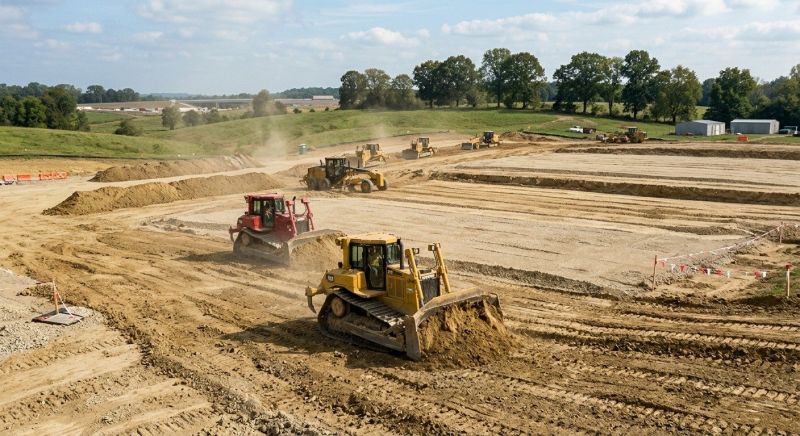
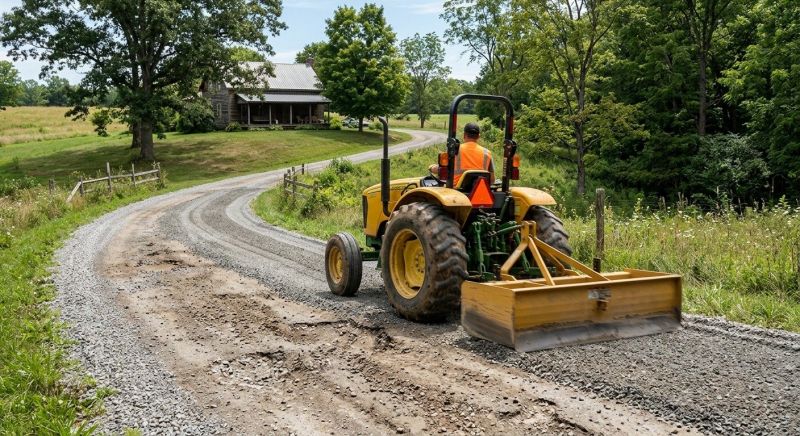
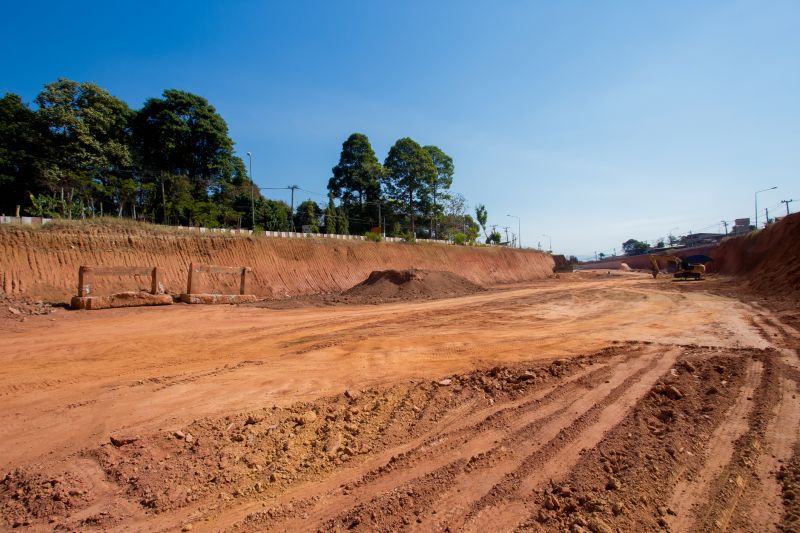
Site leveling services involve adjusting the elevation of a property’s surface to ensure it is even and stable. This process is commonly used for a variety of projects, including preparing land for construction, repairing uneven lawns, or stabilizing areas affected by soil shifting or erosion. Homeowners often request site leveling to improve drainage, prevent water pooling, and create a safer, more functional outdoor space. Understanding the current topography and identifying areas of unevenness are essential steps before beginning any leveling work.
Property owners considering site leveling should evaluate the extent of the unevenness and the underlying causes, such as soil settlement or grading issues. It’s also important to consider the desired final grade and how the project might impact existing landscaping or structures. Proper assessment and planning can help ensure the work addresses the specific needs of the property, resulting in a stable and level surface that enhances both safety and usability.
Many property owners in Houston, TX look into Site Leveling for repairs, replacements, upgrades, and appearance-related improvements.
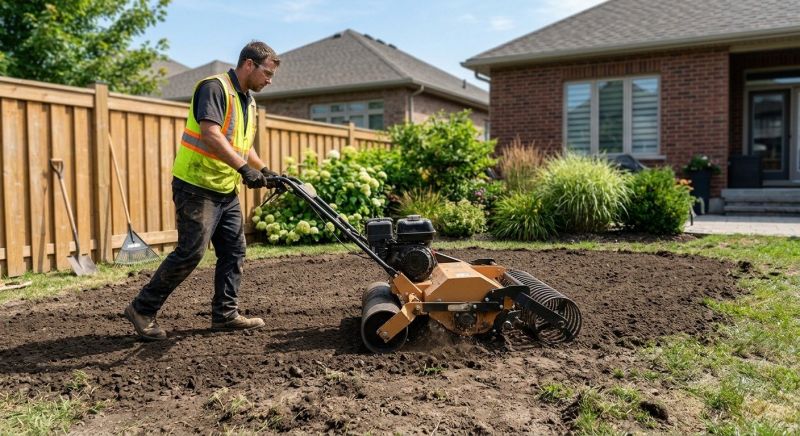
Foundation Stability
Proper site leveling helps prevent uneven settling and structural issues for homes and commercial properties.
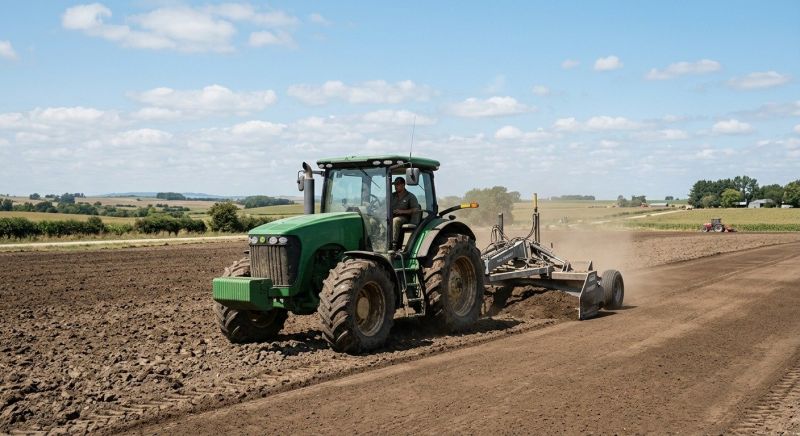
Landscaping Preparation
Leveling the terrain creates a solid base for gardens, patios, and outdoor features in houston neighborhoods.
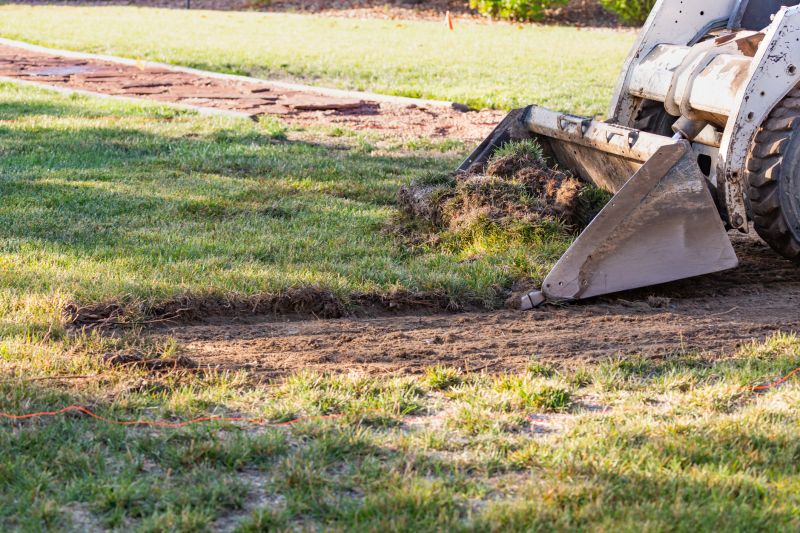
Drainage Optimization
Achieving a level surface promotes better water flow and reduces the risk of pooling around the property.
Site Leveling in Houston, TX

Site leveling services involve adjusting the elevation of a property’s surface to ensure it is even and stable. This process is commonly used for a variety of projects, including preparing land for construction, repairing uneven lawns, or stabilizing areas affected by soil shifting or erosion. Homeowners often request site leveling to improve drainage, prevent water pooling, and create a safer, more functional outdoor space. Understanding the current topography and identifying areas of unevenness are essential steps before beginning any leveling work.
Property owners considering site leveling should evaluate the extent of the unevenness and the underlying causes, such as soil settlement or grading issues. It’s also important to consider the desired final grade and how the project might impact existing landscaping or structures. Proper assessment and planning can help ensure the work addresses the specific needs of the property, resulting in a stable and level surface that enhances both safety and usability.
Many property owners in Houston, TX look into Site Leveling for repairs, replacements, upgrades, and appearance-related improvements.
Common Site Leveling Jobs
Site leveling services address uneven or sloping surfaces to create a stable foundation for construction or landscaping projects.
They help prepare yards for patios, decks, or driveways by ensuring a flat, even surface.
Leveling can correct issues caused by soil settlement, erosion, or poor initial grading.
Proper site leveling reduces the risk of water pooling and potential damage to structures.
This service is essential for installing new landscaping features or improving drainage.
Accurate site leveling supports long-term stability and enhances property value.
Site Leveling Questions
What is site leveling? Site leveling involves adjusting the ground surface to create a stable, even foundation for construction or landscaping projects.
When is site leveling necessary? It is needed when uneven terrain causes drainage issues, foundation problems, or hinders construction plans.
What types of projects benefit from site leveling? Projects such as building foundations, driveways, patios, and landscaping often require site leveling for proper results.
How does site leveling improve property stability? It reduces the risk of settling or shifting by creating a uniform surface, helping to prevent future structural issues.
Request Site Leveling in Houston, TX
Use the quote form on this page to share the basics of your project and request more information for the type of work you need.